North vs South Indian Homes: What Architecture Teaches Us About Climate, Culture, and the Future of Living
The real question is: which design works best for its environment and the people living in it?
India’s homes tell a powerful story.
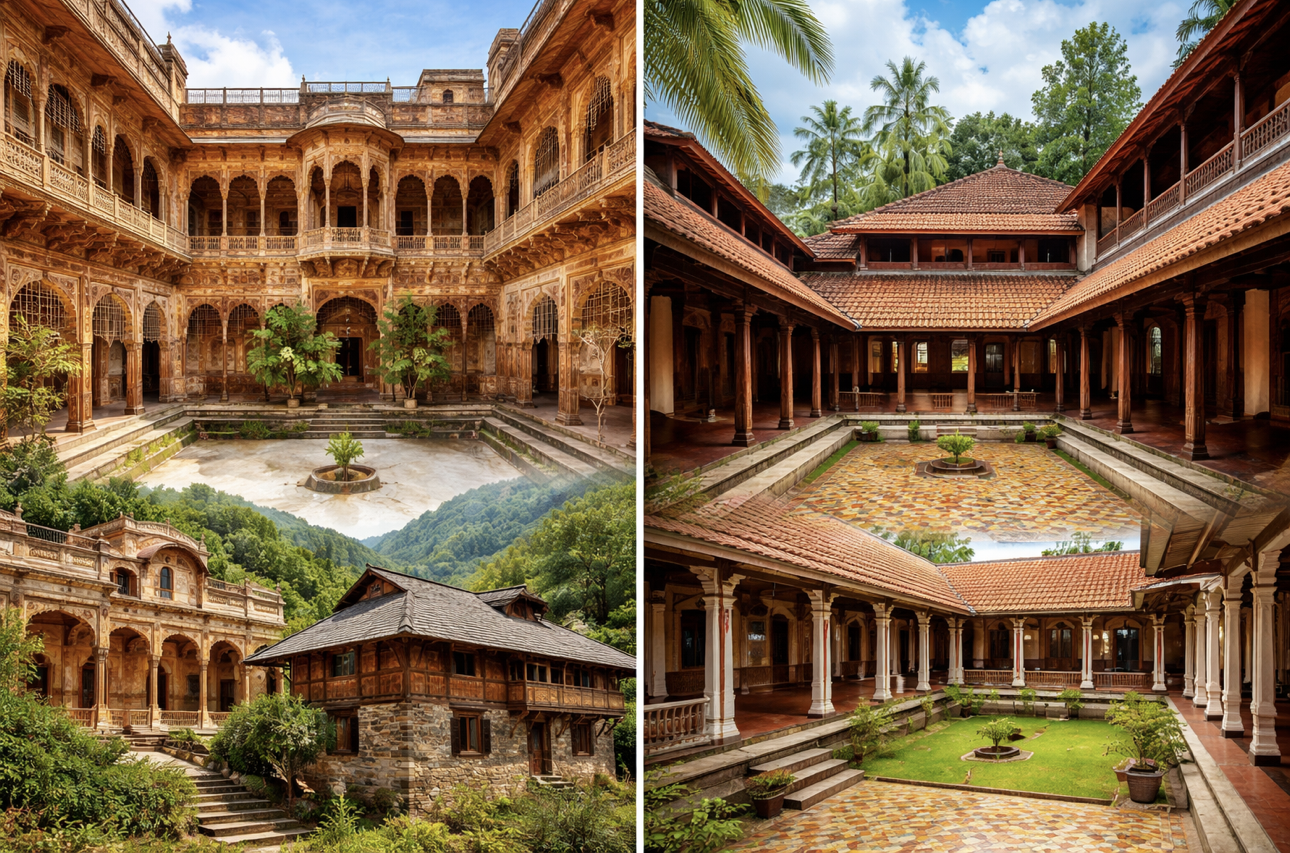
Walk through a traditional courtyard haveli in Bikaner or step into a wooden courtyard house in Thrissur, and you will immediately notice something profound: Indian houses are not merely structures—they are climate machines, cultural centres, and lifestyle frameworks. Across the subcontinent, architecture evolved not through fashion but through necessity.
Climate, materials, religion, family structures, and geography shaped the way homes were designed.
This is why houses in North India look and function differently from those in South India.
But the real question is not which design is superior.
The real question is: which design works best for its environment and the people living in it?
1. North Indian vs South Indian Homes
The Core Design Philosophy
North Indian Architecture.
The Heat-Shield Strategy Traditional homes in northern and western India—particularly Rajasthan, Gujarat, and parts of Uttar Pradesh—were designed to fight extreme heat and desert climates.
Typical characteristics include:
• Thick stone or brick walls
• Internal courtyards for airflow
• Small external windows to block heat
• Intricate jaali screens that filter sunlight
• Dense neighbourhood planning to create shade
These homes behave like thermal batteries, absorbing heat slowly during the day and releasing it at night.
Studies of haveli architecture show that courtyards, shading, and thermal mass significantly improve indoor comfort in hot-dry climates.
In short, North Indian architecture focuses on insulation and shading.
South Indian Architecture:
The Ventilation Strategy In contrast, homes across Kerala, Tamil Nadu, and coastal Karnataka evolved in humid, monsoon-heavy climates.
Traditional features include:
• Sloping tiled roofs to drain heavy rainfall
• Large verandahs that buffer heat and rain
• Open courtyards for cross ventilation
• Timber structures and breathable materials
• Raised plinths to prevent flooding
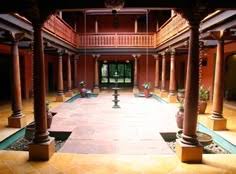
The classic Nalukettu house in Kerala—four wings around a central courtyard—was specifically designed to allow continuous airflow, a critical factor in humid environments.
Instead of blocking the climate like northern homes, southern houses work with the climate.
2. The Surprising Reality:
“North vs South” Is a Myth One of the biggest misconceptions is that Indian architecture divides neatly into North vs South styles.
In reality, architecture responds to climate zones, not geography.
For example:
• Desert Rajasthan uses courtyard cooling systems
• Coastal Kerala uses airflow-based design
• Himalayan regions use earthquake-resistant timber systems
• Semi-arid Tamil Nadu uses multi-courtyard water-harvesting homes
The famous mansions of Chettinad in Tamil Nadu combine courtyards, rainwater harvesting, and global materials, reflecting trade wealth and climate adaptation.
Meanwhile, the Himalayan Kath-Kuni houses in Himachal Pradesh use alternating layers of timber and stone that absorb earthquake energy.
The takeaway is simple: Indian architecture is climate intelligence disguised as culture.
3. Merits and Demerits of Both Design Traditions
Strengths of North Indian Architecture
* Excellent heat resistance
* Lower daytime indoor temperatures
* Strong structural mass and durability
* Passive cooling through courtyards and shading
Limitations
• Poor performance in humid climates
• Can feel dark due to small windows
• High maintenance of stone and carvings
Strengths of South Indian Architecture
* Superior ventilation
* Excellent performance in humid climates
* Rain-resilient roofs and drainage systems
* Strong indoor-outdoor connection
Limitations
• Less effective in extreme heat
• Timber construction requires maintenance
• Vulnerable to modern urban density pressures
4. How Geography Shapes Indian Homes
Several factors fundamentally shaped regional housing patterns.
Climate India contains multiple climate zones, including:
• Hot-dry desert
• Warm-humid coastal
• Composite northern plains
• Cold Himalayan regions
Modern building standards from the Bureau of Energy Efficiency still use these climate zones to define energy-efficient building design.
Materials Architecture historically depended on locally available materials.
Examples include:
• Laterite and timber in Kerala
• Sandstone in Rajasthan
• Brick and lime plaster in North India
• Stone and timber in the Himalayas
Local materials not only shaped aesthetics but also improved climate performance.
Religion and Social Structure
Traditional homes also supported cultural practices.
Common elements include:
• Prayer rooms aligned to sacred directions
• Courtyards used for family rituals
• Verandahs acting as social gathering spaces
• Multi-generational layouts for joint families
These spatial patterns are deeply rooted in Indian traditions such as Vastu Shastra, which influences orientation and room placement.
5. The Impact of Housing Design on Health and Well-Being
Architecture influences human health far more than most people realise.
Thermal Comfort Extreme indoor heat can cause dehydration, sleep disturbances, and cardiovascular stress.
Passive design—thick walls, courtyards, shading—reduces reliance on air-conditioning and improves thermal comfort.
Indoor Air Quality Ventilation is critical.
Poorly ventilated homes can trap pollutants and moisture, leading to:
• respiratory diseases
• allergies and asthma
• mould growth
Traditional airflow-focused designs in southern India naturally reduce these risks.
Mental Health and Mood Natural light strongly affects circadian rhythms and sleep cycles.
Research consistently shows that exposure to daylight improves mood and mental health, while poorly lit interiors can disrupt sleep and productivity.
Courtyards historically solved this problem by bringing sunlight into the heart of the home.
6. What the Future of Indian Homes Looks Like
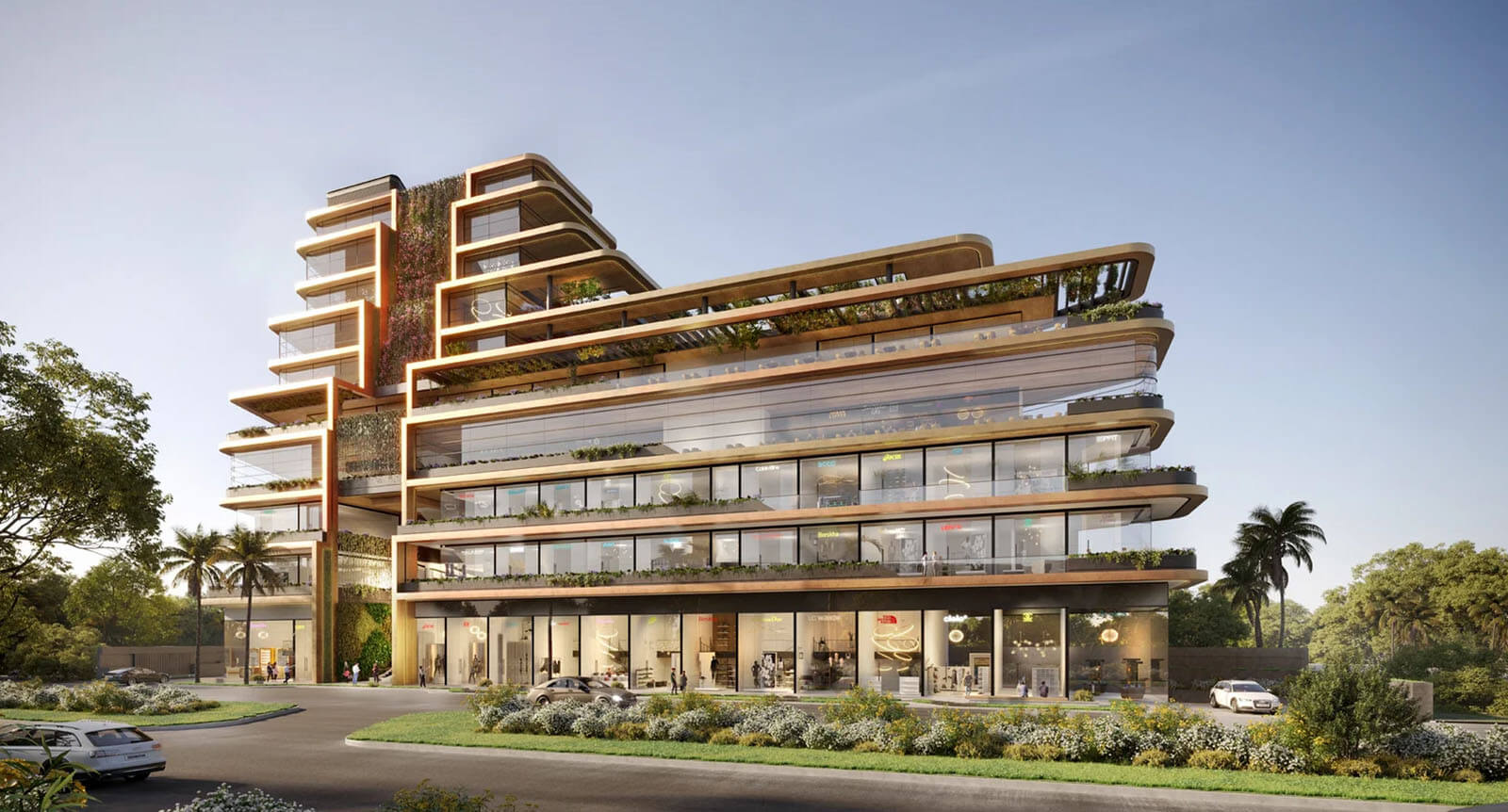
The future will not be North vs South. It will be a climate-smart hybrid architecture.
Emerging design trends include: Climate-responsive design
Architects are reintroducing:
• courtyards
• jaali facades
• shaded verandahs
• passive cooling strategies
These elements reduce energy consumption and improve comfort.
Energy-efficient housing Cooling demand in India is rising rapidly as temperatures increase.
Organisations such as the International Energy Agency warn that space-cooling demand could triple globally by 2050 without efficiency improvements.
This is pushing architects back toward vernacular design wisdom.
Modern reinterpretation of tradition Future Indian homes may combine:
• modern materials
• passive cooling systems
• smart shading facades
• courtyard-style daylight planning
Essentially, the next generation of housing will blend ancient design logic with modern technology.
The Final Verdict
So which design is better—North Indian or South Indian?
The honest answer is: Neither.
Each evolved as the best possible response to its environment.
North Indian architecture mastered heat resistance.
South Indian architecture mastered ventilation and monsoon resilience. T
he real genius of Indian architecture lies not in style but in adaptation.
As India faces rising temperatures, energy demands, and urban density, the smartest solution may be to rediscover the wisdom embedded in our traditional homes.