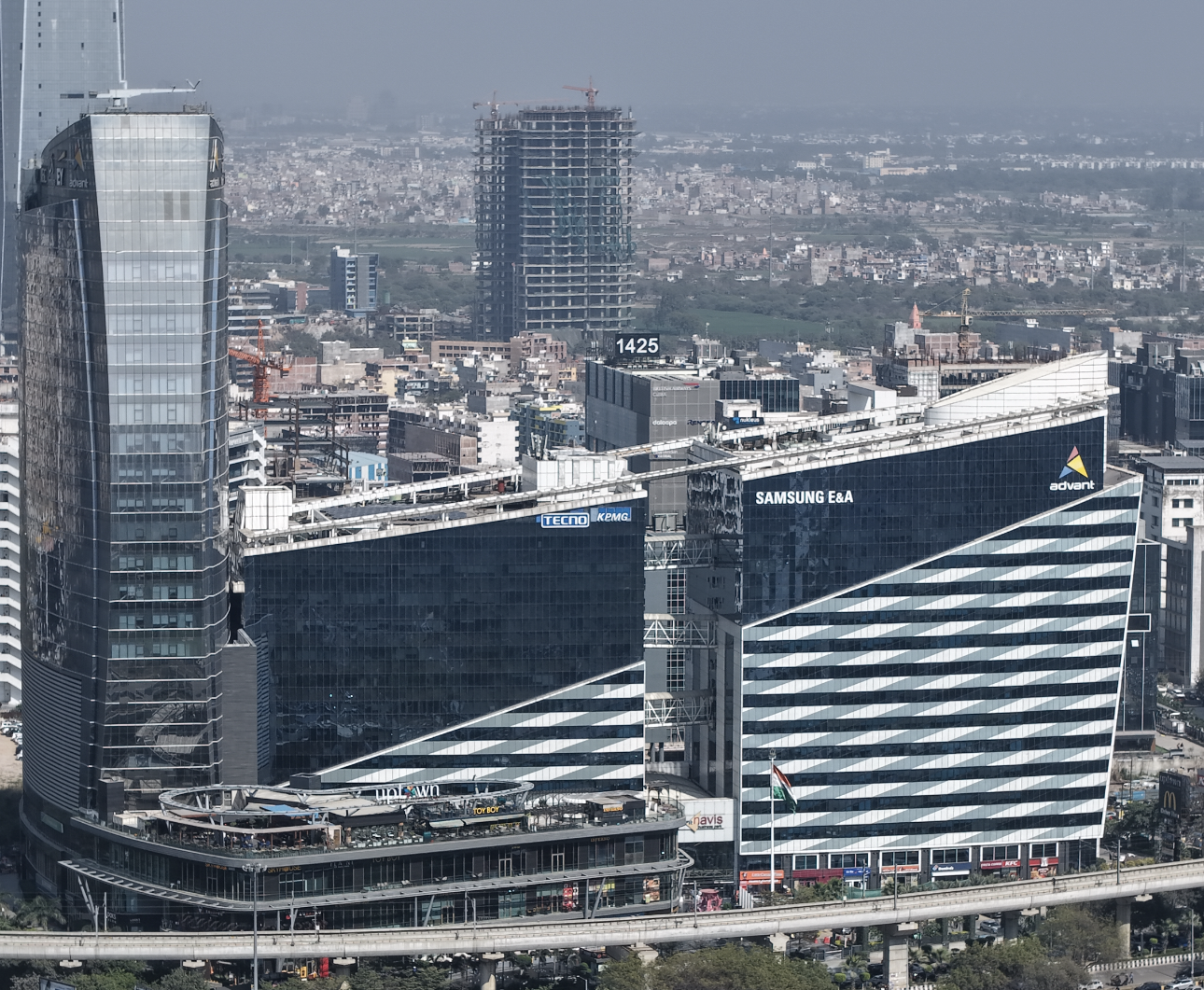
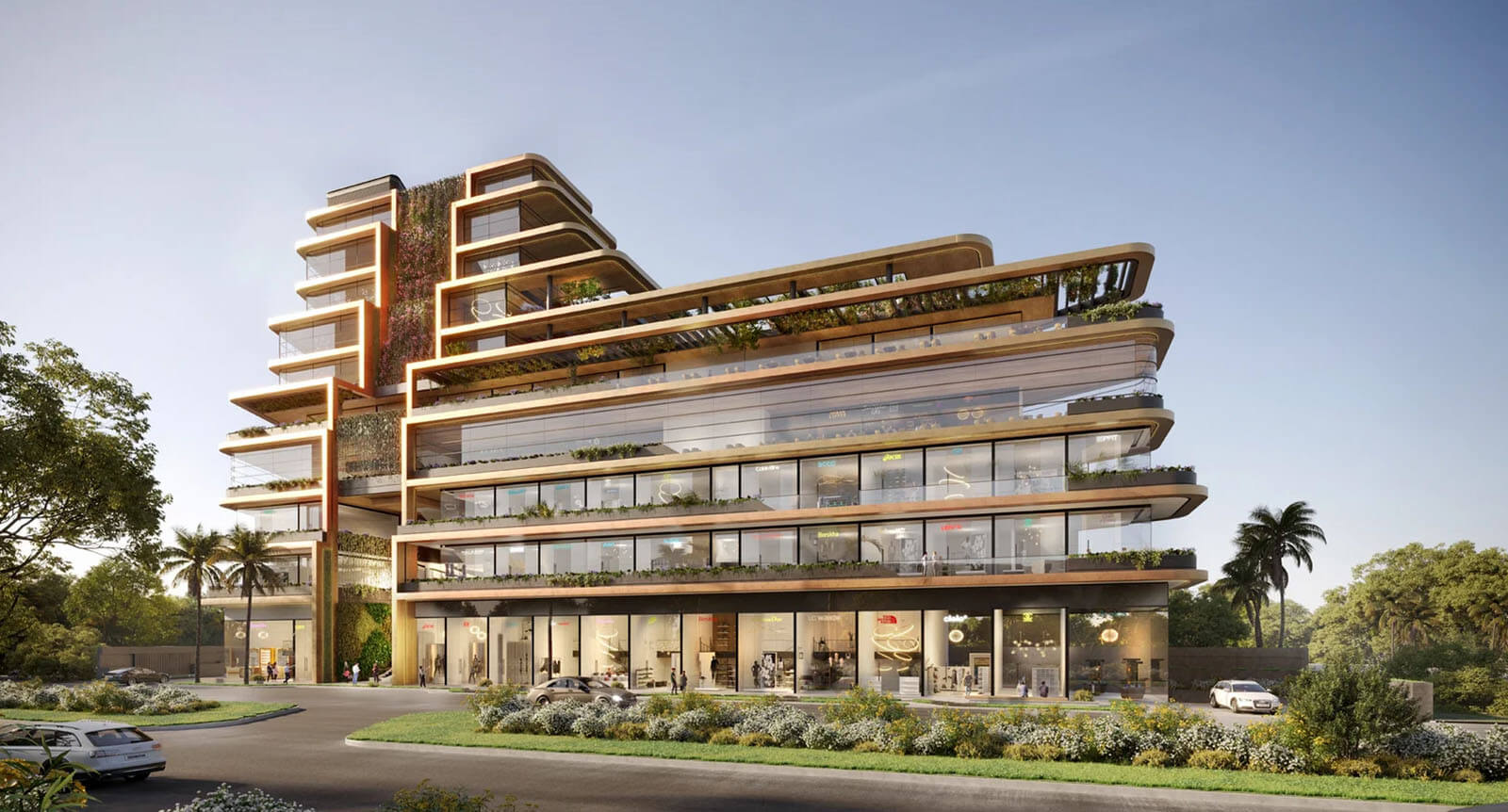
Two Office Markets, One City: Why Commercial Offices in Noida Struggle Against IT/ITES Buildings
The office market in Noida and Greater Noida is not failing—it is evolving in response to policy priorities.
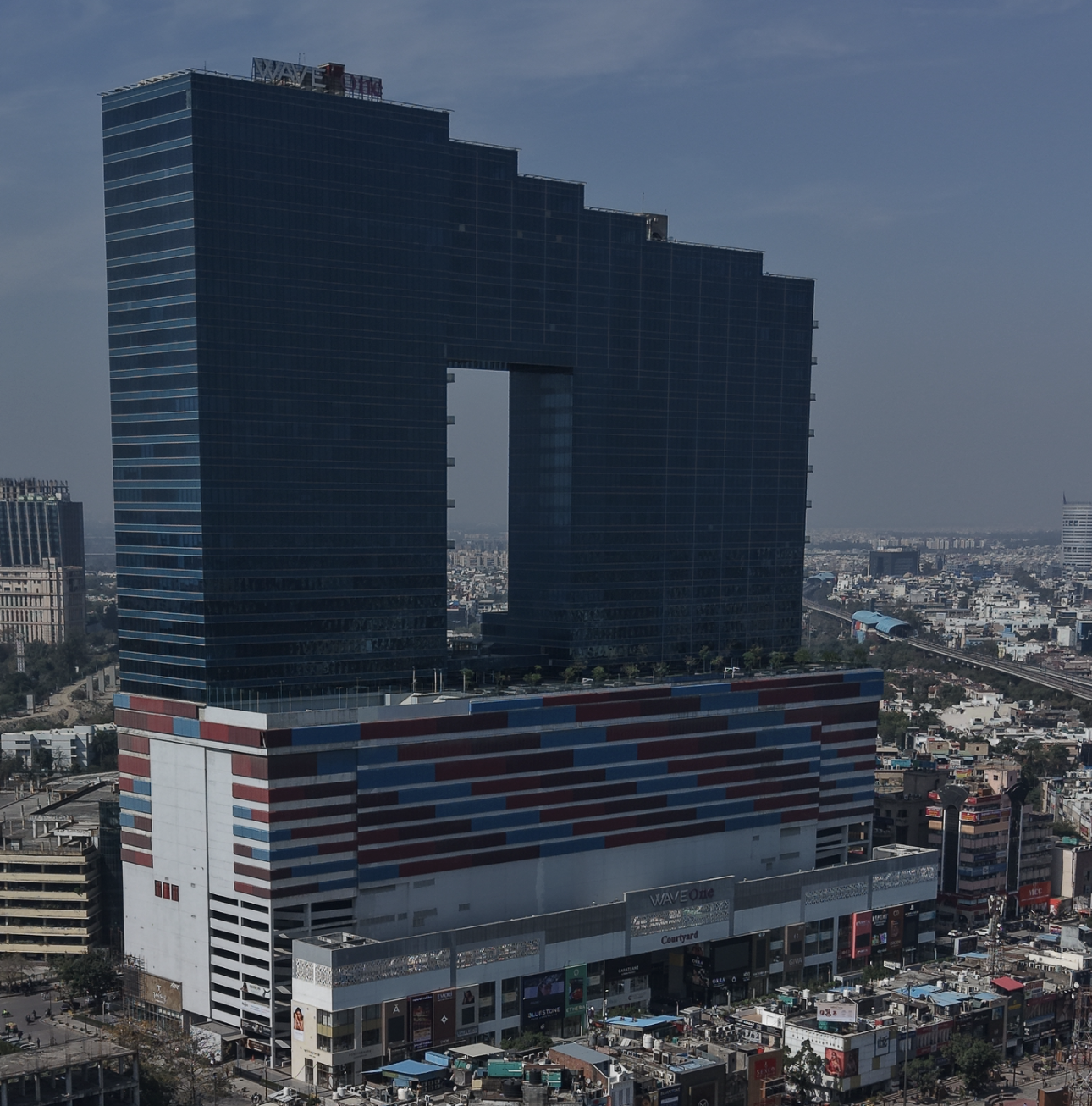
Across Noida and Greater Noida, a peculiar imbalance has quietly emerged in the office market.
Buildings labelled as “commercial offices” often struggle to attract tenants, while IT/ITES office parks continue to fill floors quickly—even when the physical infrastructure looks almost identical. At first glance, both offer modern office space: glass façades, elevators, reception lobbies and large floor plates. Yet beneath the surface, these two categories operate under very different policy frameworks, land-pricing models and government incentives.
The result is a structural advantage for IT/ITES office spaces that significantly influences rents, occupancy, and developer profitability.
The Policy Architecture Behind the Imbalance
The difference begins at the policy level.
The Uttar Pradesh government has aggressively promoted the IT and digital services ecosystem through the Uttar Pradesh IT & ITEs Policy 2022, which provides a comprehensive incentive framework to attract technology companies and global capability centres (GCCs). Under this policy, IT and ITES operations receive benefits such as:
• Higher permissible Floor Area Ratio (FAR) for IT parks
• Stamp duty exemptions on the purchase or lease of office premises
• Subsidies on operational expenses and lease rentals
• Infrastructure and capital subsidies for technology parks
• Permission for 24×7 operations
These incentives reduce the effective occupancy cost for IT tenants and make IT buildings easier to finance and fill.
Simultaneously, the state government has introduced policies to attract multinational Global Capability Centres (GCCs) with land subsidies and fiscal incentives aimed at generating large numbers of high-paying jobs.
This policy direction clearly signals that technology-led office ecosystems are a strategic priority for the state.
How Land Pricing Creates Two Different Markets
The second structural difference lies in how land is allocated.
IT/ITES plots in Noida have historically been allotted through institutional schemes with pre-determined sector rates rather than competitive auctions.
These schemes allow developers to obtain land at substantially lower premiums compared to commercial land. In contrast, commercial office plots in both Noida and Greater Noida are typically allotted through auction or tender processes, pushing land prices sharply higher as bidders compete.
Recent commercial plot schemes in Noida illustrate this disparity, where large commercial parcels have been offered at reserve prices running into hundreds of crores of rupees. Because lease rent payable to the development authority is calculated as a percentage of the land premium, commercial developers carry significantly higher recurring obligations.
The outcome is predictable:Commercial buildings must charge higher rents simply to recover land costs.
Design Flexibility and Monetisation
IT/ITES schemes also provide structural flexibility that improves project viability.
Developers of IT/ITES parks are allowed to:
• Sub-lease built-up space to multiple tenants
• Develop integrated campus amenities such as banks, conference facilities, food courts and support services
• Allocate portions of FAR for residential or institutional uses in larger projects
These provisions create office campuses rather than single-purpose office buildings, making them attractive to corporate tenants seeking integrated work environments.
Commercial office projects, although sometimes allowed higher FAR under planning regulations, often lack the same integrated campus model and policy-driven incentives.
A Market Distorted by Category Arbitrage
The imbalance has been highlighted even in government audits.
The Comptroller and Auditor General of India noted in its review of planning practices that several office plots were historically allotted under institutional categories despite functioning as commercial premises, effectively lowering the cost of office supply in the market.
This phenomenon created category arbitrage, where certain office developments benefited from lower land costs despite operating as commercial offices.
Which Office Type Is Actually Better?
From a tenant’s perspective, IT/ITES buildings often provide:
• Lower rents
• Flexible floor configurations
• Integrated campus amenities
• Government-supported operational costs
For developers, these buildings are also easier to finance and lease because demand from technology companies is strong and incentives improve project viability.
Commercial offices, however, still hold strategic advantages in certain contexts.
They offer clearer land-use classification, premium CBD locations, and the ability to host a broader range of businesses beyond technology firms.
The challenge is not that commercial offices are inferior—it is that their cost structure is much higher, even as they compete against subsidised alternatives.
What the Government Should Do
If authorities want a balanced office market, several policy interventions may be necessary.
1. Create a separate “commercial office” land category
Office-only commercial projects could be priced differently from retail-heavy commercial land to reduce acquisition costs.
2. Extend IT-sector incentives to commercial buildings hosting IT tenants
Benefits should follow the economic activity rather than the land label.
3. Rationalise mixed-use policies
Unregulated commercial activity on industrial or institutional land expands supply and undermines formal commercial developments.
4. Reduce policy risk for developers
Uniform rules on lease rent, possession timelines and project approvals would improve developer confidence.
The Current Government Outlook
The Uttar Pradesh government is currently pursuing an ambitious strategy to transform the state into a major services and technology hub.
Policy initiatives promoting IT parks, GCC campuses and technology investments indicate that office-driven economic growth is central to the state’s development model.
This suggests that IT/ITES infrastructure will continue to receive policy support.
The future of commercial office projects, therefore, depends on whether planning authorities recalibrate land pricing and regulations to ensure that traditional commercial developments remain economically viable.
Conclusion
The office market in Noida and Greater Noida is not failing—it is evolving in response to policy priorities.
IT/ITES office parks are thriving because they are aligned with government incentives, have lower land acquisition costs, and feature integrated campus-style development models.
Commercial office buildings, burdened by high land premiums and fewer incentives, are competing on an uneven playing field.
Unless policymakers address this structural disparity, the region may gradually shift toward a technology-centric office ecosystem—leaving traditional commercial office projects struggling to justify their cost base.